Phoenix Termite Control

Phoenix Termite Control
Phoenix Arizona's Hometown Exterminator

Welcome to Arizona's Termite information Center

Depending upon which termite expert you speak with Arizona is home to 25 or less species of termites. Not all termites are the same and it is important to be able to identify and detect the various species of termites living in Arizona. Bills Pest and Termite is Arizona's Termite Experts. We offer full pest control services in Phoenix Arizona and Phoenix termite treatments and termite inspection services. For more information visit us @ Bills Pest and Termite or call us @ 602.308.4510


Showing posts with label termites phoenix. Show all posts

Thursday, July 14, 2011

Western Drywood Termites Swarming in Phoenix

Western Drywood Swarmers
Western Drywood Termites Swarming

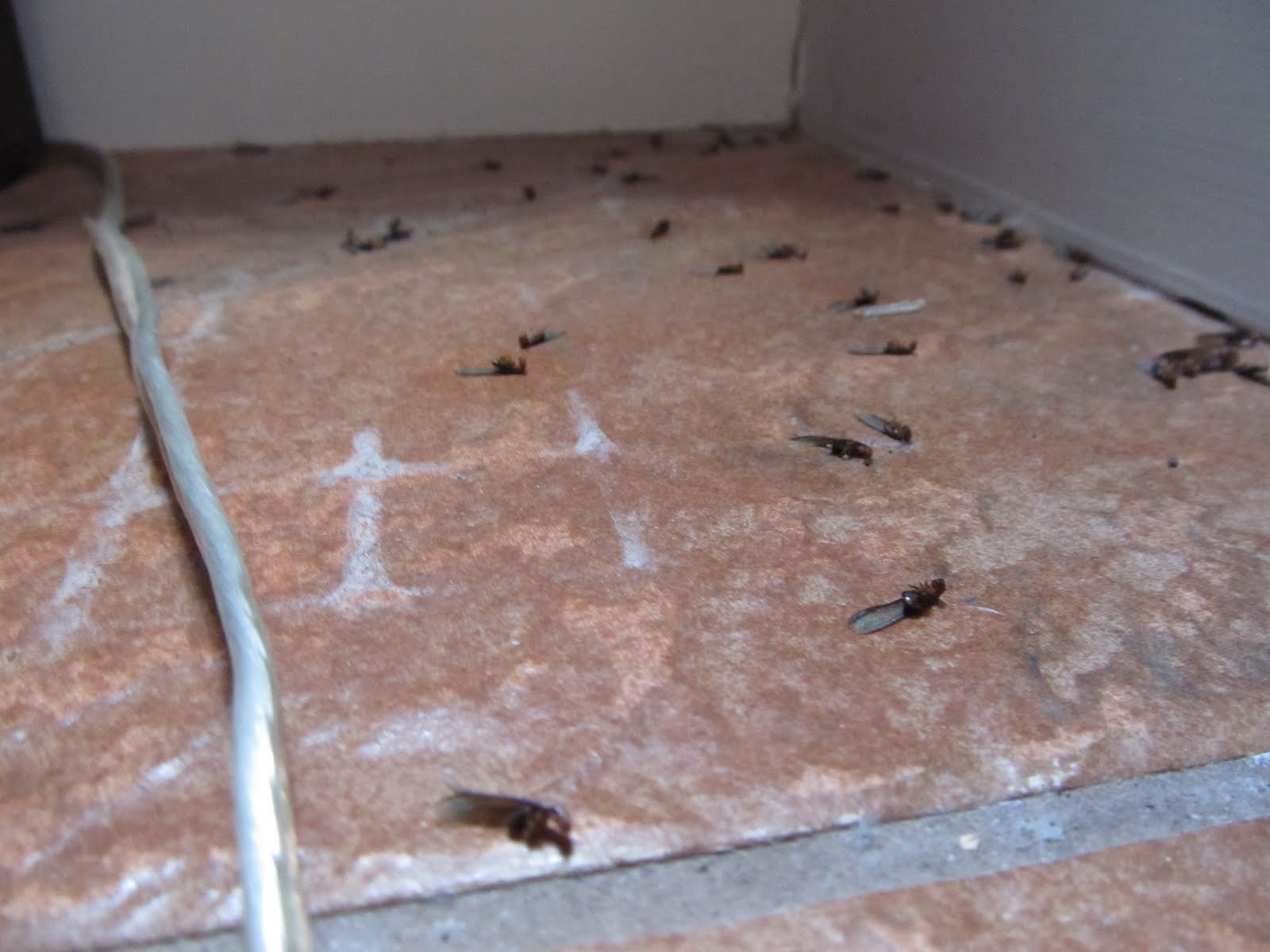
July 14th, 2011  Michelle Stell, Office Manager at Bills Pest and Termite notes an increase in customer calls from across Metro Phoenix Arizona reporting "flying ants," or "flying termites." 

Termite Inspectors are finding most of the calls are Western Drywood Termites that typically swarm this time of year.  Western Drywood Termites are often mis-identified as ant swarmers by less experienced exterminators.  Drywood termites and ants share similiar swarm seasons in central Arizona.

Arizona Drywood Swarmer
Generally, the first indirect sign of infestation is the discovery of fecal pellets or the presence of alates on windowsills or near lights. Alates found inside the house (if windows and doors have been closed), are an indication of infestation within the structure. Another indication of infestation is the presence of discarded wings near emergence sites, on windowsills or caught up in cobwebs. The presence of alates outdoors is a natural phenomenon and is not an implication of home infestation.

Drywood termites spend their entire lives inside wood. They construct round “kick holes” in infested wood, through which the fecal pellets are eliminated from the galleries or tunnels. These pellets accumulate in small piles below the kick holes, or will be scattered if the distance between the kick hole and the surface below is very great. Fecal pellets also may be found caught in spider webs.

Fecal Pellets from A Drywood Termites
Fecal pellets are distinctive and used for identification of drywood termite infestation. Drywood fecal pellets are hard, elongated and less than 1/25 inch long. They have rounded ends and six flattened or concavely depressed sides with ridges at angles between the six surfaces. The characteristic shape results when the termite exerts pressure on the fecal material to extract and conserve moisture in its hindgut. Typically the pellets are a light tan in color with some black ones mixed in.


Homeowners are encouraged to have their home inspected for termites at least once a year.

To order your FREE Termite Inspection call us @ 602.308.4510 or visit Order Free Termite Inspection


Tuesday, June 28, 2011

What is a "No Drill" termite treatment?

What is a No Drill termite treatment

What is a “No Drill” termite treatment?

A “No Drill” treatment is typically a termite service where only exterior “soft areas” of a structure are trenched to allow a liquid application.  The soil is then put back into the trenches to complete the service.

Is a “No Drill” treatment cheaper?

Initially a “No Drill” treatment can be cheaper as money is saved in labor and chemical costs.  Given the foraging nature of our native Arizona termites those savings can be offset by future re-infestations.

Does Bills Pest & Termite offer “No Drill” termite treatments?

No…we discourage “No Drill” termite treatments…the only way to stop native Arizona termite infestations is to establish a continuous barrier in and around a structure.  Leaving untreated areas is an invitation to foraging termites.  Average lots in Phoenix can have 10-15 different colonies of Arizona termites…so it’s just a matter of time before a termite colony will find an untreated avenue into your home.

Additionally, Arizona termites seek moisture under abutting slabs of a structure to survive.  Not treating these areas reduces the potential success of a termite service.

Why do so many Exterminators in Phoenix offer “No Drill” termite treatments?

Simply put…it’s a way to make a fast buck.  An exterminator can turn a 2-4 hour service into a 30 minute job and use only a quarter of the termiticide.  Doing 5-6 of these services a day is fast money.

Any advice for homeowners considering a “No Drill” treatment?

Yes…get a complete termite service by a carefully screened termite exterminator that uses a quality termiticide and knows our Arizona termites.  It may cost a few dollars more up front…but you are more likely to eliminate current and future termite infestations and less likely to deal with structural damage.


Monday, April 5, 2010

Termites Swarming in Metro Phoenix

Termites Swarming in Metro Phoenix
Arizona’s termite season seems to be off to an early start.


Termite swarms in Arizona usually occur during the summer months following afternoon rains.

This year rain totals for Metro Phoenix are up combining with rising temperatures to create conditions conducive to swarming termites.

Local termite expert Bill Trott, owner of Bills Pest and Termite Co reports “Termite swarming calls are up 60% over last year-to-date.”

“This volume of calls is about two months early when compared to years past,” added Trott

The US Department of Agriculture reports over $750 million in damage is caused by termites each year.

According to the Arizona Office of Pest Management, the most common termite in Arizona is the subterranean termite. A good barrier between the ground and the wood in our Arizona homes is extremely important. Homeowners are advised to look for (source: Office of Pest Management):

1. Cracks in foundation walls. It only takes a crack 1/32 of an inch wide to give termites and other wood destroying insects hidden access to your home.

2. Leaking pipes and faucets. Termites as well as other insects, seek out moisture for survival. Leaking pipes can keep wood and soil continually damp and create a perfect home for termites.

3. Wood debris around and under a house. Pieces of scrap lumber or firewood kept next to a structure can support a colony of termites.

4. Sprinkler systems or bubblers placed near the outside wall of a structure. Excessive watering can dilute pesticide treatments around foundation walls.

5. Flower planters. Planters allow hidden and direct access to unprotected siding and cracked stucco when built in direct contact with a house.

6. Trellises and wooden fences. If a trellis or wood fence touches soil and is in contact with a structure, it provides a direct link between the subterranean termites in the soil and wood in the structure.

All of these conditions are things that termites and termite inspectors look for, and so should the homeowner. By eliminating these conditions, you can reduce the risk of infestation. However, it is important to remember that all homes are at risk to termite infestation, and should be inspected by an experienced termite inspector at least once a year.

Bills Pest and Termite Co offers free termite inspections, for more information email us @ Bills Email or call 602.308.4510

Friday, March 19, 2010

So how do I know if I have termites?

How do I know if I have Termites?

Depending upon which “expert” you talk with Arizona has up to 25 different types of termites.


Many of these termite species share common traits…however there is enough of a difference that an untrained homeowner might overlook termite droppings while looking for “mud tubes” and conclude their home is safe from termite infestation.


We recommend that every home in Arizona be inspected at least once a year. Catching a termite infestation early can save a homeowner several thousand dollars in termite damage and depending upon the species can save in treatment costs.


It’s important that a homeowner find an experience termite inspector…who is familiar with all the species of termites found in Arizona. An untrained inspector who simply walks around the exterior looking for mud tubes left by the most common Arizona termite and does not check the interior of a home can miss the most destructive termites found in Arizona.


Bills Pest and Termite offers FREE TERMITE INSPECTIONS to Arizona homeowners. For more information visit one of our websites http://www.billstermiteco.com/.